Zamak ZL5 - properties and applications
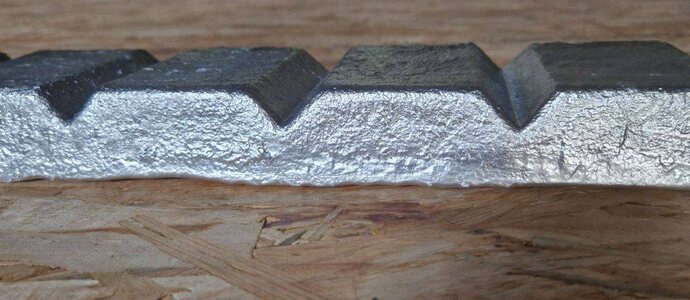
A zinc alloy with aluminium, copper and magnesium. It melts at 380°C, fills a mould well and holds its dimensions - which is why it goes wherever small, precise parts are cast.
Read the post
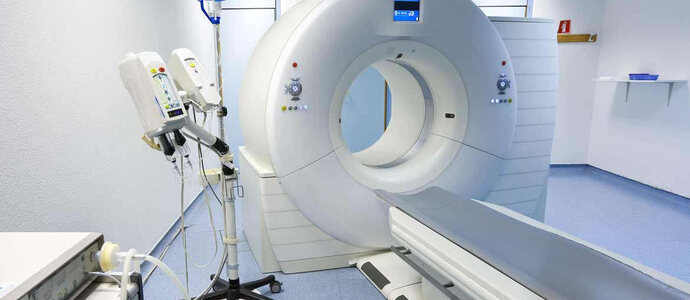
What to know before ordering shielding material: how the thickness is determined, how the options differ, where shields leak. Plus the materials we are asked about most often.
A zinc alloy with aluminium, copper and magnesium. It melts at 380°C, fills a mould well and holds its dimensions - which is why it goes wherever small, precise parts are cast.
Read the postA lead alloy with three percent antimony. In an electroplating shop one thing matters about it: chemical stability, which keeps the current even and the coating uniform.
Read the postZinc corrodes instead of the metal it protects - the whole principle of cathodic protection rests on that. The anode consumes itself and the steel structure stays intact.
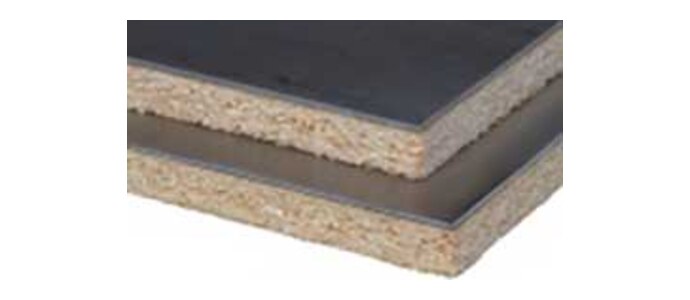
Read the postAn ordinary plasterboard sheet with a layer of lead bonded on at the factory. Instead of two jobs - the shield and the lining - there is one.
Read the postAt a density of 11.34 kg per cubic decimetre, no widely available material absorbs radiation so effectively at so small a thickness. That is the whole secret of lead's standing in radiology.
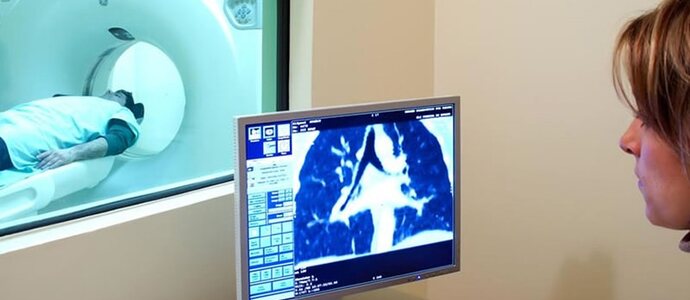
Read the postThree things limit the dose: distance from the source, time spent in the field, and shielding. The first two are a matter of how work is organised, the third of material.
Read the postThe type of material, the thickness and the dimensions are enough. If you need a non-standard shape, send a drawing - we accept .dxf files and dimensioned sketches.